
![The Importance of Neurodiversity Representation in Fiction [#GeekDis]. null](https://geeking-by.net/wp-content/uploads/2022/09/the-importance-of-neurodiversity-representation-in-fiction.png "The Importance of Neurodiversity Representation in Fiction [#GeekDis]")
Today it is my pleasure to welcome Beth and Sifa from #UKYASpotlight who are guest posting about neurodiversity representation in fiction. Disability representation is a vast topic, and I can only talk about my disabilities from my perspective and my own experiences. Today Beth and Sifa are taking over Just Geeking By to offer a different perspective, and share their experiences growing up with Autism Spectrum Disorder and ADHD for GeekDis.

Every purchase you make through Just Geeking By helps keep this blog running.
Neurodiversity Representation in Fiction
For Sifa, the summer of 2021 was marked by more-than-weekly panic attacks. Re-emerging into the world after a year of lockdowns and self-isolation brought with it overwhelming noise. Compared to the quiet, controlled environment of the home she’d rarely ventured from, there was just too much sound, and when her brain failed to process it all, it just shut down – sending her into debilitating panic attacks that impeded her ability to go about daily life. Seeking help led to an Autism Spectrum Disorder diagnosis.
Even though a diagnosis of neurodiversity gives you the language to explain what is happening to you, it doesn’t make life automatically easier to navigate. It’s the start of the work, not the end. It’s the start of seeking out strategies to cope – or new ones, if life changes like a pandemic invalidate old, unconscious ones. It’s the start of trying to get institutions to implement adjustments that will make life in a neurotypical world that bit easier.
And it definitely doesn’t make you feel less alone.
While there are groups you can join to talk to other neurodiverse persons, Sifa’s escape has always been into fiction. An avid reader, books are her go-to when stressed, other worlds to explore and the chance to see others overcoming their challenges.
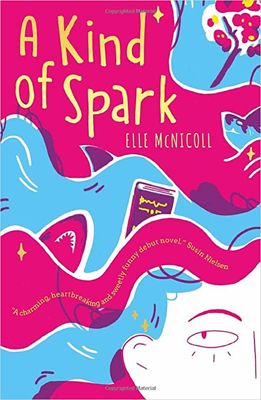
But nothing she was reading matched her experiences of panic attacks and the constant battery of noise. Until she picked up A Kind of Spark by Elle McNicoll, which follows 11-year-old autistic Addie as she struggles to be understood and accepted by her town and peers.
Written by a British female neurodiverse author, based on her own experience with autism, it felt like being seen. The panic attacks triggered by too much information that could hamper daily life. The lack of understanding and adjustments. It felt like someone was there, with her as she read, someone who could understand what was happening and saying that it was alright, you’re not alone.
On the other hand Beth was diagnosed with ADHD aged six. Like ASD, ADHD is a spectrum, affecting impulses, focus control, and adversely impacting memory. It was only recently that Beth stopped referring to herself as “broken”, because people kept trying to fit her into normal people boxes. Still she regularly finds herself referred to as “lazy”, “selfish”, “self-absorbed” and told to “just try a bit harder” – often by people who should know better and claim she is simply using ADHD as “an excuse”.
Despite reading voraciously, there was no ADHD representation in any of the books she read and thus could never truly see herself. Books made her the annoying side character, not the hero. (Percy Jackson was not published until she was in her late teens.)
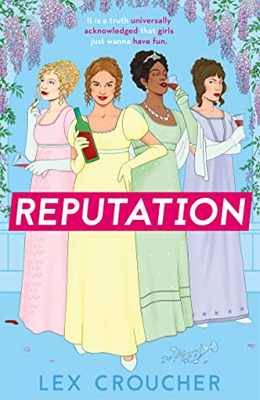
In these situations, you have to instead look for characters where parts of yourself can be identified, despite neither book nor author claiming intended representation. One such example is Reputation by Lex Croucher in the characters of both Georgiana and Betty, Beth could see her own impulsiveness, tendency to word vomit her convoluted and tangential trains of thought that terrify and cause others to mock her, as well as her desperation to have friends and fit in. The opening scene in which Georgiana gets very overexcited talking about the Vikings, with all the hallmarks of hyperfixation, and being sharply put down by her aunt for being “inappropriate” and Too Much ™ were painfully familiar if also hilariously funny.
![The Importance of Neurodiversity Representation in Fiction [#GeekDis] - Today Beth and Sifa from #UKYASpotlight are guest posting about The Importance of Neurodiversity Representation in Fiction for GeekDis! null](https://geeking-by.net/wp-content/uploads/2022/09/the-importance-of-neurodiversity-representation-in-fiction-pin.png "The Importance of Neurodiversity Representation in Fiction [#GeekDis]")
Sometimes you have to turn to non-fiction. Beth also cried to see herself on the page in the manga My Brain is Different by artist Monzuzu which chronicles both the author’s journey to diagnosis and those of people she interviewed. Done so lovingly and accurately, it was great to see the everyday issues of living with neurodiversity and the physical and mental health issues that they cause.
Books with neurodiverse characters are rare. Both Sifa and Beth are avid readers, and in the last two years, they calculate that of the 600 books they have collectively read, only 11 contained explicit neurodiverse representation or had characters in which they could see their neurodiverse selves.
Even rarer still are books that don’t focus on neurodiversity as the plot, but instead incorporate as a facet of a complex character who is more than their diagnosis. The only recent example on Sifa and Beth’s list is dyslexic Theo in Green Rising by Lauren James. These books are just as vital – if not more so – than the ones that focus on the struggles of being neurodiverse in a neurotypical-designed world. These are the books that say that it doesn’t matter if you’re neurodiverse, because it doesn’t have to define you.
Books with neurodiverse characters as the heroes and are the focus of the book for more than just their neurodiversity will save lives, let people who have been told again and again that they are “wrong” and need to “correct themselves” see that they and their brains are actually perfect just the way they are. That their neurodiversity doesn’t exclude them from being the hero.

About the Authors
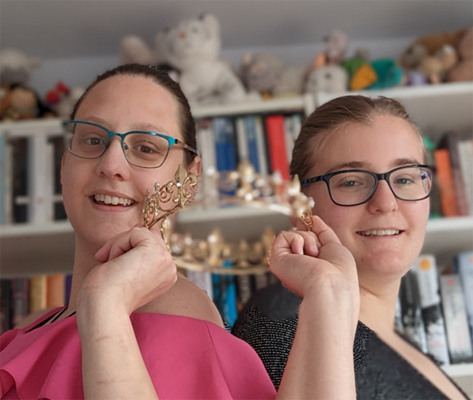
Beth and SifaBeth Knight is a SEND teacher and bookstagramer. You can find her on Instagram and Twitter.
Sifa Poulton is a Nuclear Physics PhD candidate by day and blogger by night. You can find her on her blog, on Twitter, and Instagram.
They both write books with neurodiverse characters in order to let others see themselves on the page. Together they co-run #UKYASpotlight, highlighting UKYA books across Twitter and Instagram. More information on #UKYASpotlight can be found here.
Over to you
A massive thank you to Beth and Sifa for joining us today and contributing to GeekDis. I hope their post has introduced you to some new books to check out for neurodiverse characters, as well as imparting why we need more neurodiverse representation in fiction.
Support Just Geeking By
I hope you enjoyed this post! If you did, please consider sharing it on social media using the nifty buttons at the end of this post <3
If you enjoyed this content, please consider supporting my blog. You can do this in multiple ways (click here to find out how!) or by donating via Ko-Fi to help me reach my current goal.

Discover more from Just Geeking By
Subscribe to get the latest posts sent to your email.